

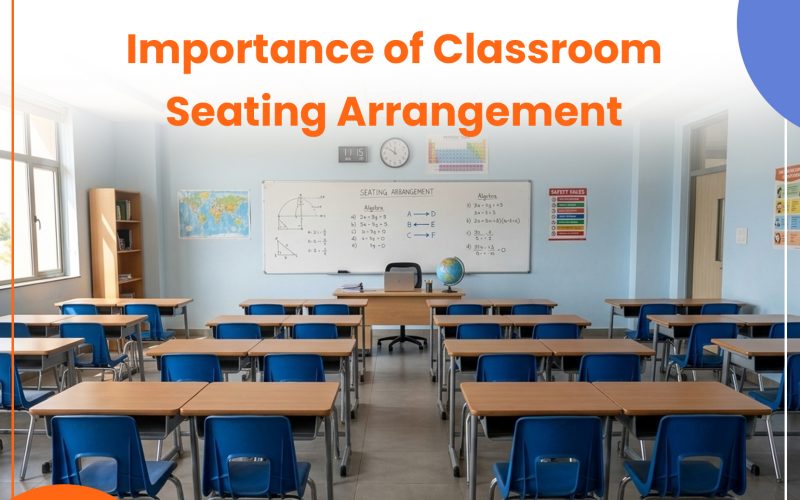
Walk into any classroom and you’ll notice one thing immediately. The seating. Rows, clusters, a circle, maybe even a mix. It looks simple, but it isn’t. Where students sit affects how they learn, how they behave, and how they feel in that space.Seating arrangement is one of the most underrated tools a teacher has. It doesn’t cost anything, yet it changes everything.
It shapes how students pay attention
Let’s start with the obvious part. Focus. Students sitting at the back often struggle to stay engaged. Not always, but it happens more often than teachers admit. The distance from the board, the teacher’s voice, and even eye contact plays a role here. On the other hand, students sitting closer tend to stay more alert. But it’s not just about front vs back. Angles matter too. If a student has to constantly twist to see the board, attention drops. Small discomfort adds up. And over time, learning takes a hit. A simple shift in seating can fix this. It’s practical.
It affects participation and confidence
Now think about classroom discussions. Who speaks more? Usually, it’s the students who feel seen. Seating can quietly decide that. When students sit in circles or U-shapes, they see each other. This creates a sense of inclusion. It feels less like a lecture and more like a conversation. But when students sit in straight rows all the time, interaction becomes limited. Most communication flows one way. Teacher to student. I’ve found that shy students open up more when they are not hidden at the corners or stuck behind taller classmates. Visibility matters. It builds confidence slowly, but surely.
It influences behaviour more than you think
Here’s something teachers notice quickly. Certain seating patterns reduce disruptions. Students who tend to distract each other should not sit together. Sounds obvious, but it’s often overlooked. A well-thought-out seating plan can prevent half the discipline issues before they even start. Spacing also matters. If students are too close, distractions increase. If they are too far apart, collaboration drops. Finding that balance is key. And yes, flexible seating helps. Rotating seats every few weeks can reset classroom dynamics. It gives students a fresh start.
It supports different learning styles
Not every student learns the same way. Some prefer working alone. Others learn better in groups. Seating arrangement can support both. Group clusters work well for discussions, projects, and peer learning. Rows are better for tests or focused tasks. A mix of both, used at the right time, works best. Because a classroom is not static. It shouldn’t feel like one.
It impacts teacher movement and control
This part is often ignored. The way desks are arranged affects how easily a teacher can move around the classroom. And movement matters. When teachers can walk between desks, check work, and interact closely, students stay more attentive. It also helps with classroom control. Just being physically present near students can reduce off-task behaviour. No need to constantly raise your voice. And honestly, it makes teaching easier.
It creates a better learning environment
A classroom is not just about content. It’s about comfort. Good seating makes students feel included. It reduces physical strain. It encourages interaction. Over time, it builds a positive learning environment. And students notice this, even if they don’t say it out loud.
Now, if you’re using digital tools or smart boards, seating becomes even more important. Every student needs a clear view. Platforms like AASOKA, which combine digital content with classroom teaching, work best when the physical setup supports visibility and interaction. Otherwise, even the best content loses impact.
So, what’s the takeaway?
There is no one perfect seating arrangement. And that’s the truth. It depends on your class size, subject, and teaching style. But doing nothing is not an option. A fixed seating plan that never changes can limit learning. Start small. Rearrange once. Observe what changes. Adjust again. Because sometimes, improving learning is not about adding more. It’s about arranging what you already have in a better way.
Quick Summary
- Seating affects focus, participation, and behaviour
- Front, angles, and visibility matter more than you think
- Group seating boosts interaction, rows support discipline
- Smart seating reduces classroom disruptions
- Flexible seating keeps classroom dynamics fresh
- Good layout improves both teaching and learning
FAQs
1. What is the best seating arrangement for classrooms?
There is no single best layout. It depends on the activity. Rows work for exams, while clusters or circles are better for discussions.
2. How often should seating be changed?
In most cases, every 3–4 weeks works well. It helps manage behaviour and gives students a fresh environment.
3. Does seating arrangement really impact learning?
Yes. Research and classroom experience both show that seating affects attention, participation, and interaction.
4. How can teachers decide seating positions?
Teachers should consider student behaviour, height, learning needs, and interaction patterns before assigning seats.